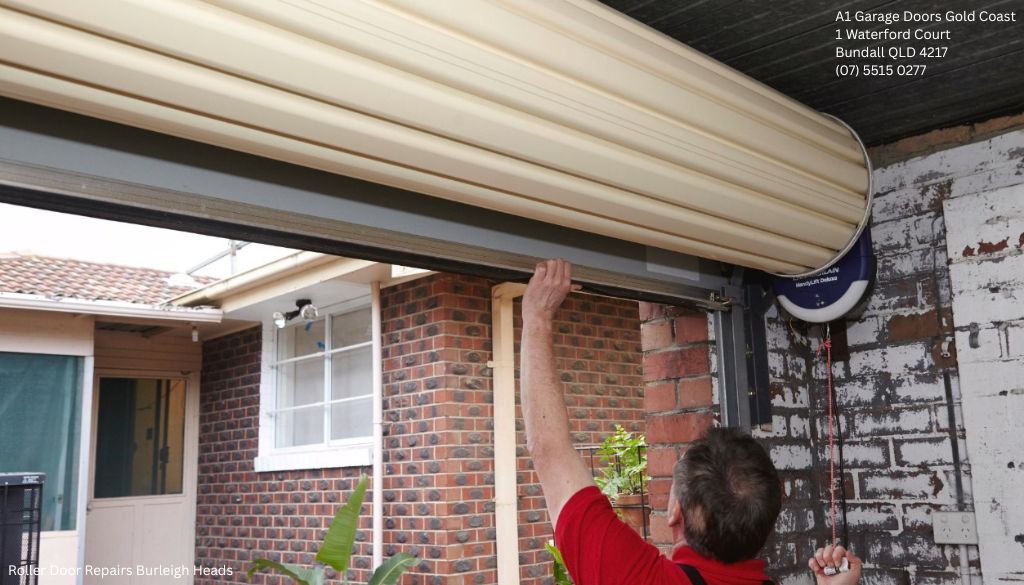
A garage door can work imperfectly for a surprisingly long time before anyone pays attention. It may shudder a little on the way up, hesitate near the floor, or leave a gap on one side when closed. People often live with those small changes because the door still moves. Then one morning it sticks halfway, reverses without warning, or becomes a case of a garage door not closing properly. By that stage, wear has usually been building for a while.
Alignment and balance problems rarely arrive as isolated issues. They tend to develop as parts wear together. Springs age. Motors strain. Tracks and hardware stop working in harmony. In coastal areas such as the Gold Coast, salt air, humidity, and heat can add another layer of stress to metal components and moving parts. That does not mean every problem is severe, but it does mean a minor change in movement should be taken seriously before it grows into a bigger repair.
The practical garage door resource challenge is that many owners focus on the symptom they can see. The door looks crooked, so they assume the tracks must be bent. The opener sounds louder, so they assume they need garage door opener repair. Sometimes that is true. Just as often, the real issue is balance. A door that has lost proper balance puts extra load on the opener, affects how the panels travel, and can make an alignment issue appear worse than it is.
What alignment and balance actually mean
These terms are often used together, but they are not identical.
Alignment refers to how the door travels within its system. A properly aligned door moves evenly, sits squarely, and follows its path without rubbing, binding, or leaning. If one side lags or the door meets the floor unevenly, alignment is part of the conversation.
Balance refers to how the weight of the door is supported, especially by the spring system. A balanced door should not place excessive strain on the motor or pull unevenly through its travel. When balance changes, the door may feel heavier than it should, move inconsistently, or become difficult for the opener to handle.
In practice, these two conditions affect each other. Poor balance can make a sound track system look like the problem. A movement issue can place strain on the opener and lead someone to seek garage door opener repair when the opener is only reacting to a heavier, poorly balanced door. Good diagnosis starts by resisting the urge to blame the noisiest part.
Wear rarely shows up all at once
Most garage doors do not fail with dramatic warning. The more common pattern is gradual decline. A family gets used to a scraping sound. Someone notices the remote needs a second press from time to time. The bottom seal no longer sits flat. None of those details proves a single fault on its own, yet together they point to a system that is no longer working as cleanly as it once did.
This matters because garage doors rely on several components sharing the load. Local service businesses commonly handle repairs and replacement of springs, motors, remotes, and other parts because those are the pieces that tend to wear in real service. When one component weakens, another often compensates. The door may still open, but it no longer opens well.
A common example is the opener that begins to sound strained. Owners often assume the motor is failing, and sometimes it is. Motor replacement and automation upgrades are standard services for that reason. Still, a struggling motor can also be the result of a door that is out of balance. If the spring support has changed, the opener is forced to work harder every cycle. The motor becomes the visible victim of a problem that started elsewhere.
How springs affect the whole door
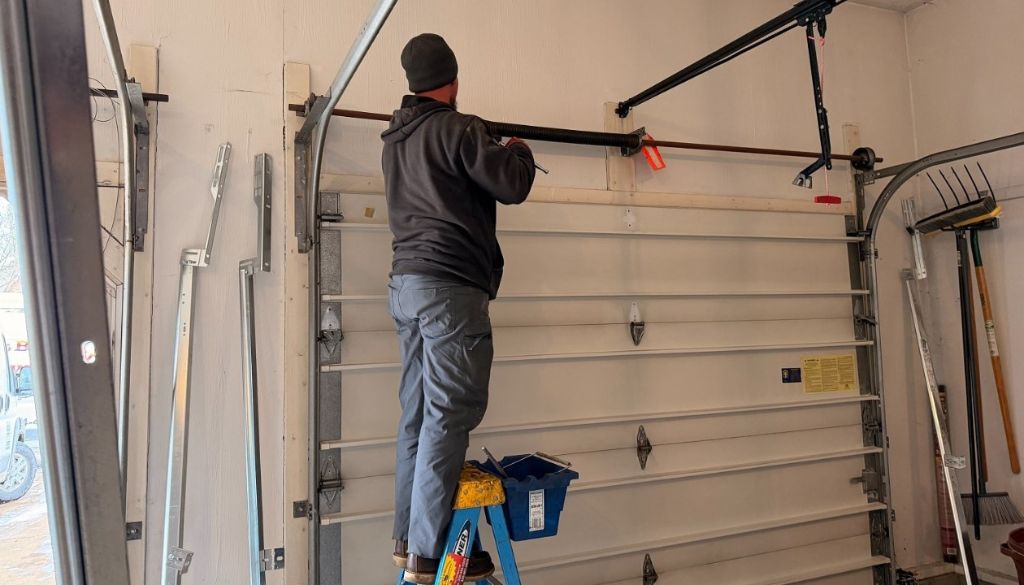
Springs are central to balance, and they are also the part that deserves the most caution. Safety guidance is very clear that garage door springs are under high tension and are dangerous to adjust or repair without the right training and tools. That is not a sales line. It is a safety fact. A spring stores enough force to turn a routine repair into a serious injury if handled carelessly.
Because of that, balance concerns should never push a homeowner toward improvised spring work. If the door feels heavier than usual, starts moving unevenly, or behaves differently after a loud snap or sudden change, that is the point to stop guessing.
There is another detail that catches people off guard. When one spring breaks, both springs may need replacement. The reason is straightforward. Springs that have worked together tend to wear at a similar rate. Leaving one older spring in place beside a new one can create mismatched support and new balance problems. Even if the door moves again after a single part is changed, the system may not be properly matched. Balance is not only about restoring movement. It is about restoring even movement.
Signs that wear is affecting alignment or balance
Not every strange noise means the door is unsafe, and not every rough cycle means major failure. Still, some patterns deserve attention sooner rather than later.
- The door looks uneven when closing or opening. It reverses or hesitates and ends up not closing properly. The opener sounds strained or louder than usual. Movement becomes jerky instead of smooth. A gap appears at one side or along part of the bottom edge.
These signs do not confirm a single diagnosis, but they do point to the same broad issue: the system is no longer moving in a stable, predictable way.
Why the opener often gets blamed first
Modern owners interact with the opener more than any other component. They use remotes, wall controls, and automated functions every day, so when the door starts acting up, attention naturally goes to the motor. That is one reason garage door opener repair is such a common search term. It matches the part people notice most.
The opener can absolutely be the issue. Motor replacement and installation services are widely offered because motors do wear out, and some older systems are eventually better replaced than repeatedly patched. At the same time, an opener is only one part of a larger mechanism. If the door has become hard to lift because the springs are tired or the movement is no longer balanced, the opener may struggle, reverse, or sound rough even when the motor itself is not the root cause.
That distinction matters financially as well as mechanically. Replacing an opener without correcting a balance problem can leave the new motor dealing with the same excessive load. The door may improve briefly, but the underlying wear remains. Good repair work looks at the relationship between the motor and the door, not just the electronics or drive unit in isolation.
The coastal factor on the Gold Coast
Local conditions shape wear patterns more than many homeowners realize. On the Gold Coast, service providers commonly point to salt air, humidity, and heat as factors that affect garage door hardware and increase maintenance needs. Anyone living near the coast understands this in a broad sense. Outdoor fittings age faster, metal surfaces need more care, and moving hardware can become temperamental sooner than expected.
Garage doors are especially exposed because they combine metal parts, repeated motion, and daily use. Even when no single part fails outright, harsh conditions can accelerate the kind of gradual wear that leads to balance drift and alignment problems. A door that once moved cleanly may start showing small changes earlier than goldcoastgaragedoorrepair.com.au an inland owner would expect.
That is why scheduled servicing has real value in these areas. One local provider recommends professional servicing every 12 months to help prevent breakdowns and extend the life of the door and motor. That interval is practical because it catches wear before it becomes obvious. A yearly inspection is often less about fixing dramatic faults and more about spotting small changes in movement, tension, and component condition while the repair remains manageable.
When a door is not closing properly
Few symptoms frustrate owners more than a garage door not closing properly. It is inconvenient, it raises security concerns, and it tends to happen when people are in a hurry. The temptation is to treat it as a simple opener fault, especially if the wall switch and remote seem inconsistent. Sometimes that suspicion is justified. In other cases, the closing problem begins with alignment or balance.
A door that is traveling unevenly may reach the floor on one side before the other. A door that is out of balance may not move with steady control through the final part of travel. Both conditions can make the system appear unreliable even when the visible symptom is only incomplete closure.
This is one of those situations where owners often say, “I just need to fix garage door issues before they get worse,” and that instinct is right. The mistake is assuming the fastest fix is always the best one. If the door is resisting closure because of wear in the system, simply resetting controls or replacing the most obvious part may not solve the underlying problem. The better approach is to treat poor closing as a symptom that deserves a full mechanical check.
Practical judgment matters more than a quick guess
Experienced technicians tend to look for patterns rather than single clues. A heavy door, a strained opener, uneven travel, and a history of delayed maintenance all point in a different direction than a door with otherwise smooth movement but a failing motor. The same visible symptom can come from more than one cause.
That is why good service often starts with basic observation. How does the door sit when closed. Does it appear square. Is the movement smooth throughout the whole cycle or only rough at one point. Has the owner noticed a recent change, or has the problem built slowly over months. Does the motor sound like the main issue, or does it sound like a machine fighting a heavier load than it was meant to carry.
There is a practical honesty in this kind of diagnosis. Sometimes the answer is garage door opener repair. Sometimes it is spring replacement. Sometimes more than one worn component needs attention because the system has been compensating for itself for a while. That is normal for aging doors. A repair call does not always end with a single culprit.
Repairs, servicing, and replacement often overlap
Garage door businesses in the Gold Coast area commonly provide repairs, servicing, installations, and replacement of components such as motors, remotes, and springs. That range reflects reality. Doors do not always fit neatly into one category. A service visit may reveal that a door only needs adjustment and routine maintenance, or it may show that a motor and spring issue are both contributing to poor performance.
This overlap can be frustrating for owners who want a simple answer before anyone inspects the door. The trouble is that alignment and balance are system conditions, not stand-alone parts. You cannot always restore them by replacing the component that failed most obviously. A fresh motor on an unbalanced door is still dealing with a poor load. A new spring paired with a worn companion can still leave the door uneven.
A sensible repair plan looks for the point where reliability returns without throwing money at parts that do not need replacing. That is one reason routine servicing matters. Catching wear early usually preserves more of the system and reduces the chance that one tired part will drag the rest along with it.
What owners can do safely
There is a useful middle ground between neglect and risky DIY work. Owners do not need to dismantle a spring system to notice meaningful changes. A few habits help separate normal aging from problems that deserve immediate attention.
- Watch the door complete a full cycle now and then, rather than only leaving by remote. Notice changes in sound, speed, or whether one side appears lower than the other. If the door suddenly feels different, stop forcing extra cycles through the opener. Arrange professional servicing, especially if it has been around 12 months or more. Leave spring adjustment and repair to trained technicians.
That kind of attention does not replace professional diagnosis, but it does reduce the chance that a small issue will be ignored until it becomes a failure.
The cost of waiting too long
Wear has a compounding effect. A door that is slightly out of balance asks more from the opener. A struggling opener may then wear faster. Repeated rough movement can make the whole system feel less stable. By the time the owner calls for help, what began as one worn component may have turned into several.
There is also the simple inconvenience cost. A door that intermittently refuses to close properly can disrupt daily routines for weeks before someone decides enough is enough. People adapt in all sorts of inefficient ways. They stand and watch the door every time it closes. They avoid using the garage when they are in a rush. They start entering through another door. Those workarounds are a sign that the problem has already become expensive in time and attention, even before the invoice arrives.
The better point to act is earlier, when the issue is still “something feels off” rather than “the door won’t behave at all.” Alignment and balance problems tend to reward early attention.
Why annual servicing is not just routine paperwork
Some homeowners hear “annual service” and assume it is little more than a maintenance reminder. For garage doors, especially in harsher coastal conditions, it serves a practical purpose. A yearly check helps spot wear to hardware, motors, and springs before the symptoms become severe. It also gives professionals a chance to assess whether the door is still moving in balance and whether the opener is carrying a normal load.
That timing lines up with the way garage doors age. Daily-use equipment does not usually fail on a neat calendar schedule, but twelve months is a reasonable interval for identifying drift in performance. It is often enough to catch developing problems while the repair is still straightforward.
For owners in the Gold Coast area, where heat, humidity, and salt air can all affect hardware, that regular attention makes even more sense. Coastal wear is rarely dramatic in one moment. It is cumulative, and cumulative problems are best met with regular inspection.
A balanced door protects the rest of the system
The phrase “fix garage door” sounds simple, but a proper repair is often less about getting the door to move today and more about restoring how it should move every day after that. Alignment and balance sit at the center of that goal. When they are right, the opener works within normal limits, the door closes more evenly, and the whole system tends to wear more predictably.
When they are wrong, symptoms spread. Owners notice noise, hesitation, poor closure, and opener strain, but the deeper issue is that the door is no longer carrying its own weight properly through the system designed for it.
That is why the best repair decisions are usually the least impulsive ones. If a garage door starts looking crooked, sounding strained, or not closing properly, it is worth treating those as linked signs of wear rather than isolated annoyances. In many cases, restoring balance and alignment does more than solve today’s symptom. It gives the door, and the motor driving it, a better chance at a longer and steadier working life.