Introduction to Garage Door Automation
Garage door automation refers to the integration of electric openers and control systems that allow you to operate your garage door remotely, automatically, or via smart devices. This technology enhances the traditional manual door by adding seamless convenience, improved security, and often better insulation and durability.
Automated garage doors come in various types, including sectional doors, aluminium, steel, and vinyl models, each suited to different aesthetic and functional preferences. Sectional doors are popular for their smooth operation and space efficiency, while steel doors provide robustness and increased security. Aluminium and vinyl options offer lightweight alternatives with weather-resistant properties.
By installing an automatic garage door system, homeowners enjoy benefits like hands-free access, remote control operation, integration with home automation systems, and enhanced protection against forced entry.
Key Components of Automated Garage Doors
The core of any garage door automation system includes several important components working together to deliver smooth, safe, and reliable operation.
- Garage openers and electric motors: These are the powerhouse units that drive the door’s opening and closing mechanisms, available in chain drive, belt drive, or screw drive options based on noise level and durability preferences. Remote control and wireless controls: These devices allow users to open or close the door remotely, typically using key fobs or wall-mounted buttons. Safety sensors, photo eyes, and motion detectors: Positioned near the bottom of the door frame, these sensors detect obstructions and prevent the door from closing on people, pets, or objects, enhancing safety. Control boards and signal receivers: The electronic brain of the system managing motor actions, sensor inputs, and remote signals. Battery backup and power supply systems: These ensure the door remains operational during power outages, critical for emergency access. Door panels, springs (torsion and extension springs), rollers, and tracks: Essential mechanical parts that guide and balance the door’s movement. Keypad entry and smartphone app integration: Additional control options allowing secure access using codes or app commands, ideal for smart homes.
Step-by-Step Garage Door Automation Installation Process
Installing an automated garage door requires careful preparation, precise assembly, and thorough testing to ensure optimal performance and safety. Below is a detailed stepwise approach for a successful installation.
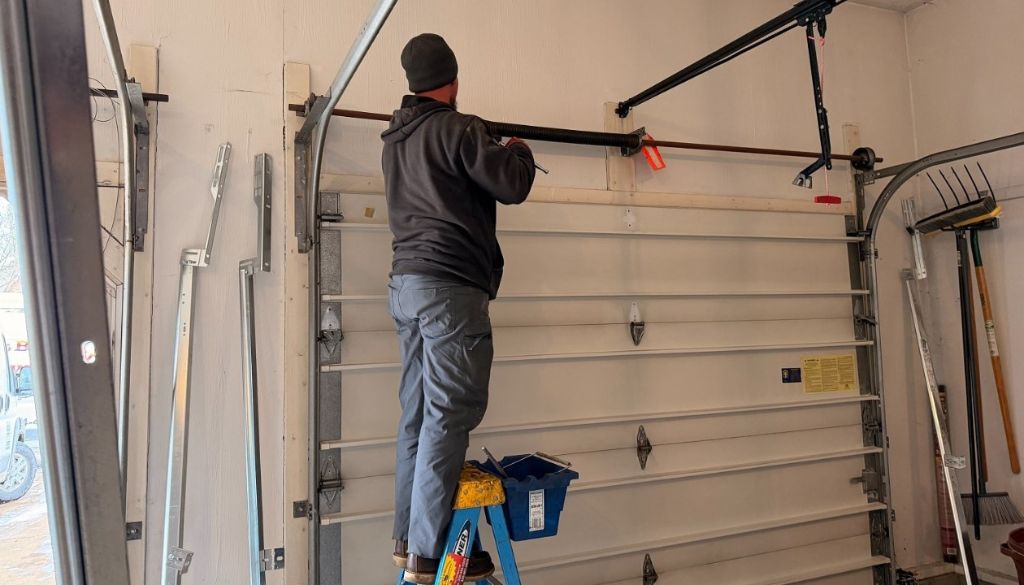
Preparing Tools and Materials for Installation
- Screwdrivers, wrenches, pliers Drill with bits Installation hardware kit (brackets, bolts, screws) Wiring harness and electrical tape Level and measuring tape Safety glasses and gloves Stepladder Lubricant for rollers and springs
Removing Manual Door Components and Prepping Door Frames
Begin by detaching any existing manual door hardware such as handles or locks. Inspect and prepare the door frame to securely mount the automation system, ensuring it is square and structurally sound.
Installing Electric Motors and Garage Openers
Mount the opener motor unit to the ceiling, aligned with the door’s centre. Connect the trolley and rail to the door and install the drive belt or chain depending on your system type. Proper alignment is crucial for smooth movement.
Mounting Roller Tracks and Door Rollers
Attach roller tracks along the door frame sides and ceiling guides. Insert door rollers into hinges and ensure all components move freely and are balanced appropriately. Adjust torsion springs if necessary for proper door counterbalance.
Wiring the Control Board, Sensors, and Remote Receivers
Run wiring harnesses from the motor unit to the control board. Install safety sensors on either side of the door, approximately 15cm above ground, and connect to the control board. Position signal receivers where remote control signals can be received efficiently.
Setting Up Safety Sensors and Aligning Photo Eyes
Align photo eyes carefully so their beams face each other without obstruction. Test sensor functionality to verify they halt door closure upon an obstruction.
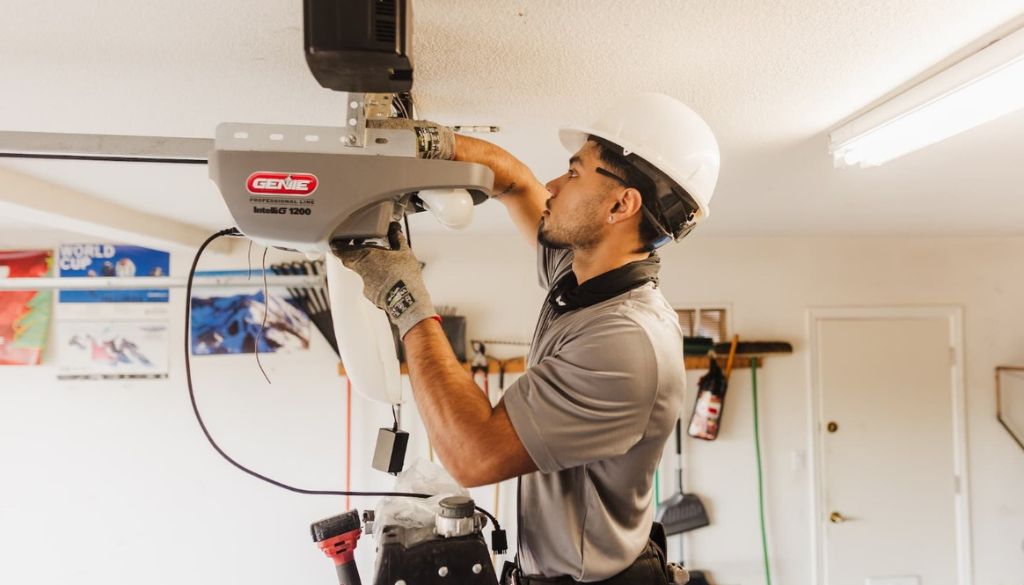
Programming Remote Controls, Keypad Entries, and Smartphone Apps
Follow the manufacturer’s instructions to sync remotes and keypad entries with the control board. For smart garage integration, download the app and connect the system to your home Wi-Fi network.
Testing Motor Speed, Force Adjustment, and Noise Reduction
Adjust door motor speed settings and force limits to balance smooth operation with safe stopping pressures. Apply noise-dampening lubricants and confirm the chain or belt tension limits vibrations and clatter.
Manual Override and Emergency Release Setup
Install the emergency release cord accessible from inside the garage to manually disengage the door from the motor in case of power failures or malfunctions.
Installing Weather Seals and Door Insulation for Rain Protection
Apply weather seals on door edges and insulate panels as needed to protect against rain, wind, and temperature variations, extending door longevity.
Safety and Security Features in Automated Garage Doors
Safety and security are paramount in garage door automation systems. Modern installations include multiple features designed to prevent accidents and protect your property.
- Automatic locking mechanisms: Securely lock the door once closed, preventing unauthorized entry. Sensor alignment best practices: Properly aligned sensors ensure the door halts immediately if an obstruction is detected. Force adjustment and limit switches: Control the amount of power used during opening and closing to avoid damage or injury. Emergency release and manual override options: Provide fail-safe manual access in emergencies or power outages. Security features integrated with smart garage systems: Includes activity monitoring, alerts, and remote locking/unlocking capabilities via smartphone apps.
Maintenance Tips for Automated Garage Doors
Routine maintenance extends the life of your automated garage door and prevents costly repairs.
- Inspect door springs, cables, and hinges regularly for wear or damage. Lubricate door rollers, drive belts, and chains periodically to reduce friction and noise. Check battery backups and control board functions yearly to ensure reliable power during outages. Clean sensors and photo eyes gently to maintain reliable obstruction detection. Troubleshoot common issues such as misaligned sensors, unresponsive remotes, or unusual noises promptly.
Choosing Professional Garage Door Automation Installation Services
While many DIY enthusiasts can handle installation, there are scenarios when hiring professionals is strongly recommended.
When to Hire a Professional vs DIY
- Complex door types or custom installations Electrical wiring beyond your skill level Ensuring compliance with local safety standards Time constraints or lack of proper tools
What to Expect from a Professional Installation Service
Certified installers provide expert assessment, precise installation, safety inspection, and warranty-backed service. They also offer post-installation support and maintenance guidance.
Our Sponsor
A1 Garage Doors Gold Coast
A1 Garage Doors Gold Coast is a Bundall-based garage door specialist serving the southern Gold Coast and surrounding suburbs with installation, repair, maintenance, and emergency garage door services. The company specializes in sectional doors, roller doors, garage door openers, spring and cable replacement, opener motor repair, smart-enabled installations, and 24/7 emergency call-outs across Robina, Burleigh Heads, Surfers Paradise, Nerang, Coomera, and the wider Gold Coast region.
Address:
1 Waterford Court,
Bundall,
QLD
4217,
Australia
Phone: (07) 5515 0277
Business Hours:
- Open 24/7 — Including After-Hours and Emergency Call-Outs
Follow Us:
Cost Factors and What’s Included in Installation Packages
Pricing depends on door type, system complexity, additional features like smartphone integration, and whether old door removal is required. Packages usually include parts, labour, and initial programming.
Guarantees, Warranties, and Certifications to Look For
Look for professional installers offering manufacturer warranties on parts and workmanship guarantees. Certified technicians adhere to industry standards ensuring safe and compliant setups.
Frequently Asked Questions
How long does garage door automation installation take?
Installation time typically ranges from 3 to 6 hours depending on door type, system complexity, and installer experience.
Can I install a garage door automation system myself?
Burleigh heads garage door servicesYes, with intermediate technical skills and proper tools, DIY installation is possible, but professional help is advised for complex systems or unfamiliar electrical work.
What are the most important safety features in an automated garage door?
Key safety features include sensors (photo eyes), automatic locking, force adjustment, and emergency release mechanisms.
How do I know if my garage door is compatible with an automation system?
Most sectional and standard garage doors are compatible, but older doors or irregular sizes may require adjustments or upgrades.
What maintenance is required after installation?
Regular inspection of springs, rollers, sensors, motor lubrication, and battery backups ensures efficient and safe operation.
What happens during a power outage – can I still open the door?
Battery backup systems and manual overrides enable door operation during power failures.
How much does professional installation typically cost?
Costs vary widely but generally range from $300 to $800 depending on door type and features installed.
Are there smartphone apps to control my garage door?
Yes, many modern garage door automation systems provide apps for remote operation, status monitoring, and security alerts.
Garage door automation installation significantly improves your property's accessibility, security, and modern appeal. Whether opting for a DIY approach or enlisting professional installers, understanding the key components, installation steps, and maintenance requirements ensures a smooth experience and long-lasting performance. Embrace smart garage technology in 2026 to elevate your home with convenience and peace of mind.