A garage door is easy to treat as a convenience item until the weather turns. Then it becomes something else entirely, a large moving panel that sits on one of the biggest openings in the house. In storm-prone parts of Queensland, that opening matters. Government guidance is clear that homeowners should prepare before storm season, and it also makes a specific point that garage doors deserve attention. If a garage door fails under severe wind, wind can enter the house and increase damage to roofs and walls. That changes the conversation from simple wear and tear to household resilience.
That is why garage door replacement deserves a more serious look than it often gets. Many owners think first about the door leaf itself, the visible panel that goes up and down, but resilience depends on the whole assembly. The frame, fixings, bracing, wind rating, opening hardware, and the way the system is used before severe weather all play a part. In practice, the strongest-looking door can still underperform if the supporting frame is not suited to the loads it may face.
In Queensland guidance on household resilience work, replacing existing garage doors and frames with wind-rated versions is specifically identified as a worthwhile measure. Non-compliant garage doors are also singled out as a cost-effective replacement target for improved cyclone resilience. That is a strong statement, and it lines up with what experienced contractors see on site. Big openings demand better judgment than cosmetic upgrades alone.
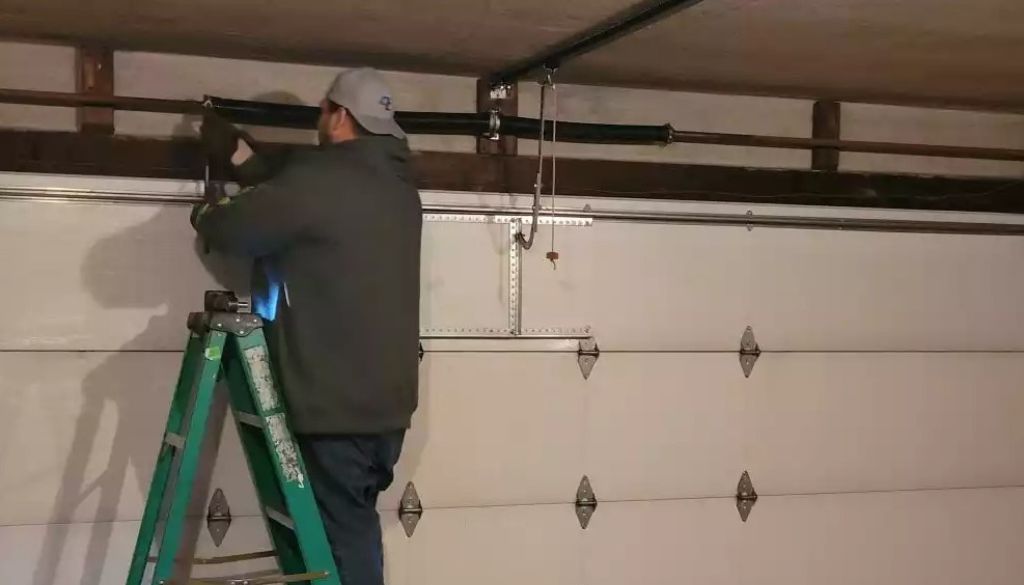
Why the garage door is a high-priority opening
A front window looks vulnerable because glass feels fragile. A garage door often looks solid because it is large and heavy. That visual impression can mislead owners. The door spans a wide opening, relies on moving parts, and must seal, lift, and lock consistently. Under ordinary daily use, minor weaknesses may go unnoticed for years. Under severe storm pressure, small weaknesses stop being small.
Queensland materials on cyclone preparedness are unusually direct here. A garage door should comply with AS/NZS 4505 and be correctly rated for wind pressure, or have a bracing system that can be installed before a cyclone. That tells you two important things. First, compliance and rating are not abstract paperwork issues. They are part of practical preparedness. Second, some homes may rely on a separate bracing approach rather than the original door alone.
The broader resilience message is also important. Homeowners are told to prepare before storm season and only go outside after it is officially safe. That means decisions about replacement, bracing, and frame upgrades cannot wait for a weather warning. A garage opening is not something to improvise around once the wind has arrived.
Replacement is often about the frame as much as the door
When people hear garage door replacement, they often picture swapping the panels and keeping the rest. Sometimes that is enough. Sometimes it is not. If the goal is resilience, the frame deserves equal billing.
Queensland housing guidance refers to replacing existing garage doors and frames with wind-rated versions. That wording matters. It reflects a practical truth from the field: a door performs as part of a system. If an older frame is non-compliant or not suitable for the wind demands of the site, simply attaching a newer door to it may not deliver the resilience the owner expects.
This is where many projects either become worthwhile or become half measures. A replacement that includes the frame gives the installer a chance to address the opening more comprehensively. It also lets the owner align the upgrade with current resilience priorities rather than preserving older elements that may limit performance. The point is not to replace more than necessary. The point is to avoid spending money on a visible improvement while leaving the critical support around it unchanged.
I have seen this tension in renovation planning many times. The owner wants a cleaner façade, quieter operation, maybe a better finish. Those are valid goals. But if the property is in an area exposed to severe storms or cyclones, the conversation has to widen. A better-looking door is not the same as a better-performing opening. The frame, the rating, and the ability to brace the system before a cyclone are where resilience starts to become real.
Wind rating is not a marketing extra
A lot of building products are sold on appearance and convenience, and garage door openers often get most of the attention in showroom conversations. Quiet motors, remote access, smooth starts, and soft closing are attractive features. None of them answers the core resilience question. What matters first is whether the garage door is correctly rated for wind pressure, or whether an approved bracing system is available and practical to install before a cyclone.
That distinction is easy to miss because an opener is what the owner uses every day. Yet storm resilience is not mainly about convenience. It is about the structural and functional integrity of the opening under high wind conditions. Queensland’s guidance places the emphasis in the right place.
This does not make garage door openers irrelevant. They matter operationally. Storm preparation advice for severe weather includes parking vehicles under shelter if possible and unplugging electrical items. For a garage, that makes the opener part of the preparation routine. An attached garage often becomes one of the last active spaces before a household shelters in place. People move cars inside, secure loose items, and then shut down power to certain devices. A dependable opener helps in ordinary conditions, but owners also need to understand what role it has, and does not have, in resilience planning. The opener is an accessory to access. It is not the basis of the door’s wind performance.
The hidden weakness of older or non-compliant systems
Queensland guidance notes that non-compliant garage doors can be a cost-effective replacement target to improve cyclone resilience. That may sound narrow, but it reflects sensible prioritisation. Not every resilience project can be done at once. Households have budgets, and contractors have to recommend work with real benefit. Upgrading a non-compliant garage door is one of those measures that can produce a meaningful improvement because the opening is so large and so consequential.
The most common homeowner mistake is to treat age as the only trigger. Age matters, but compliance and suitability matter more. A door can still move acceptably and still be the wrong candidate to trust through another storm season. The same goes for a frame that looks straight enough to the eye. Appearance is not a reliable test for resilience.
This is also where the conversation around garage door tracks and hardware needs some restraint. Tracks are part of how the door operates and stays aligned, but daily operation alone does not tell you whether the overall assembly is appropriate for the relevant wind pressure. A smooth glide is not proof of storm readiness. It only proves that the door is moving.
Likewise, garage door springs may be the first component owners notice when operation changes. If the balance feels off or the door behaves differently, they focus on the spring because the symptom is obvious. Springs are important to operation, but resilience work should not be reduced to replacing the noisiest or most inconvenient component. A garage door that opens nicely after a spring service is not automatically a resilient door. For that, the bigger questions remain: compliance, rating, bracing, and frame condition.
What a practical resilience upgrade actually looks like
A good project starts with plain questions. Is the existing garage opening non-compliant? Is the current door correctly rated for the wind pressure it may face? Is there an appropriate bracing system that can be installed before a cyclone, or is full garage door replacement the better path? Does the frame need replacement as part of the work?
Those questions sound simple, but they force the project into the right order. Too many upgrades start with style choices and finish colours, then backfill the technical questions later. In storm-prone areas, that sequence should be reversed.
For attached garages, the owner can also think about comfort and efficiency at the same time. Australian energy-efficiency guidance notes that draught stoppers at the base of doors can help reduce heat loss. That does not turn a garage door into a full insulation strategy by itself, but it is one of those practical additions that makes everyday living better while the larger door replacement work is being planned or completed. Particularly where the garage is attached to the house, reducing draughts can make the adjacent rooms feel less exposed to temperature swings.
That is the sweet spot in a smart upgrade: solve the resilience issue first, then capture secondary benefits where appropriate. A wind-rated door and frame that also improves draught control is a better investment than a decorative upgrade that ignores the opening’s vulnerability.
The homeowner decisions that matter before storm season
Queensland advice repeatedly pushes preparation ahead of the season, not during the emergency. That timing matters with garage work more than most owners realise. Ordering a replacement door, confirming a frame upgrade, or learning how a cyclone bracing system is meant to be installed takes time. Waiting until warnings are issued is too late for anything except basic securing measures.
A useful storm-season routine around the garage usually includes the following:
Confirm that the garage door is either correctly rated for wind pressure or has a suitable bracing system ready for installation before a cyclone. Park vehicles under shelter if possible, using the garage as intended rather than leaving access blocked by storage. Secure loose outdoor items so they do not become hazards near the garage opening. Unplug electrical items as part of the household’s broader storm preparation. Stay inside until authorities say it is officially safe to go outside after the event.None of those steps is complicated. The difficulty is that people tend to postpone them because the garage is a mixed-use space. It collects bikes, paint tins, tools, spare boxes, seasonal gear, and all the things that slowly make a door harder to use well under pressure. Then a storm warning arrives and the garage stops functioning as a clean sheltering and access zone.
The owners who handle storms best are not usually the ones with the most expensive setup. They are the ones who keep the opening functional and know exactly what their door system can do.
Bracing systems have to be realistic, not theoretical
Official guidance allows for a garage door to be protected by a bracing system that can be installed before a cyclone. That sounds straightforward on paper, but in practice the value of a bracing system depends on whether the household can install it correctly and on time.
This is where professional judgment matters. A bracing solution that is technically acceptable but awkward, confusing, or physically difficult for the occupants may not be the best real-world choice. The point of preparedness is to have a measure that will actually be used. If a household is more likely to delay or avoid installation because the system is cumbersome, that should influence the recommendation.
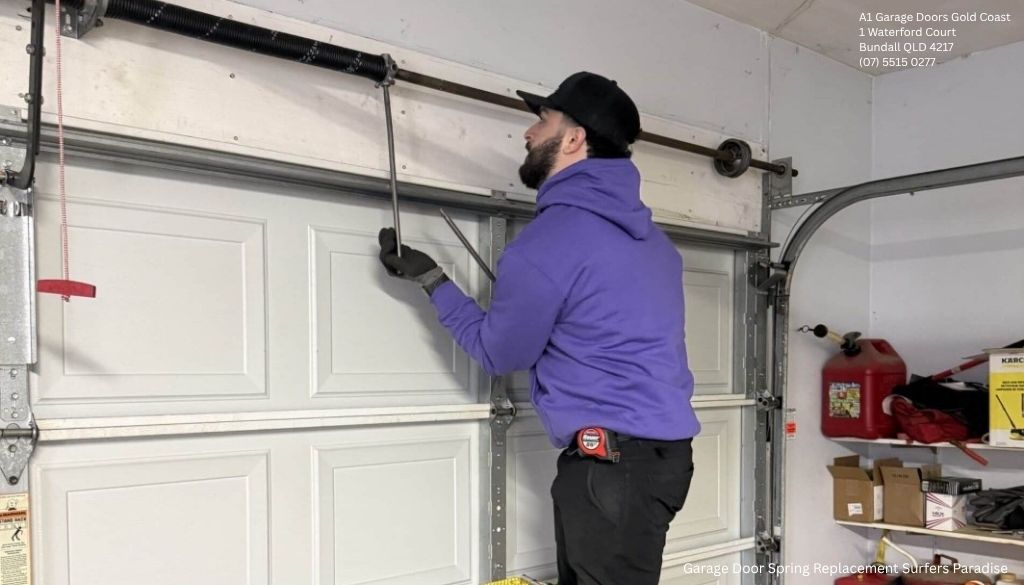
Queensland guidance on preparing homes for storms and natural disasters also emphasises working safely or using a qualified contractor for securing vulnerable parts of the home. That principle belongs in every garage resilience discussion. If the owner is not confident about the bracing method or the door’s status, this is not the place for guesswork. A large opening under severe wind conditions is not forgiving of improvised fixes.
Don’t let convenience features distract from safety standards
Australian product-safety guidance states that products covered by mandatory safety standards must meet specific safety criteria before sale. That broader safety principle is worth keeping in mind when owners shop for garage components and accessories. Resilience upgrades attract all kinds of add-ons and sales claims, especially when a full garage door replacement is underway. The disciplined approach is to keep safety and suitability ahead of novelty.
That applies to the basic door, the frame, the operating accessories, and any related add-ons. It also applies to buying decisions made in a hurry after a storm, when households are eager to restore access and security. Urgency is understandable. It just should not override compliance, rating, or safe installation.
Garage door openers are a good example. They are useful, and for many homes they are part of daily accessibility. But they should be chosen and discussed in the context of the complete door system, not as if they define the system. A premium opener attached to a non-compliant or unsuitable opening does not solve the real problem.
The garage as part of the whole-house resilience plan
One of the strongest ideas in Queensland’s cyclone and storm guidance is that the home should be treated as a system. Garage doors sit comfortably inside that logic. The opening is not separate from the rest of the building’s performance. If it fails, the effects can spread, especially when wind enters and creates more pressure on roofs and walls.
That is why garage upgrades should be coordinated with the owner’s broader resilience work. The same guidance that talks about garage doors also points to protection for door openings more generally, such as shutters or other measures, depending on the part of the home in question. You do not need to turn every improvement into a major construction project, but you do need to think beyond isolated fixes.
For many households, the garage is also where emergency habits either help or hinder them. If remotes are missing, the path to the car is blocked, electrical items are left plugged in, or storage prevents quick closing and securing of the opening, the best-rated door in the world is being undermined by poor use. Resilience is partly a product choice and partly a routine.
When replacement is the wiser choice
Some owners try to stretch an existing system because it still functions. That instinct is understandable. Replacement costs money, and no one wants to replace a serviceable item without reason. The challenge is that resilience decisions are not based only on present function. They are based on foreseeable conditions.
A few situations tend to push the decision toward replacement and frame upgrade rather than piecemeal work:
- the existing garage door is non-compliant the door is not correctly rated for the wind pressure it may face the opening depends on a bracing approach that is impractical for the household to install before a cyclone the frame itself is part of the weakness the owner is already doing resilience work and wants the garage opening brought into line with that effort
That is not a rigid formula. It is a way to keep the decision anchored to the facts that matter most. If the purpose is resilience, then compliance, wind rating, practical preparedness, and frame suitability deserve more weight than appearance or habit.
A more grounded way to talk about value
Homeowners often ask whether a garage upgrade is worth it. The answer depends on what value means in that home. If value only means the cheapest short-term repair, resilience work will always garage door resource look expensive. If value means reducing vulnerability at one of the garage door maintenance services biggest openings in the house, the calculation changes.
Queensland’s own resilience guidance already frames non-compliant garage doors as a cost-effective target for improvement. That does not mean every door must be replaced immediately. It means that where vulnerability exists, the garage opening is often one of the smarter places to spend money. You are not just buying a new panel. You are reducing the chance that a large failure point will contribute to broader house damage.
There is also a quality-of-life side to the decision that owners should not dismiss. A properly planned garage door replacement can improve daily reliability, make storm preparation less stressful, and, with simple draught-proofing measures such as a door-bottom draught stopper, contribute to better comfort around attached garage spaces. Those are not the headline reasons to replace a door in cyclone-prone areas, but they are real benefits that many households appreciate once the job is done.
What owners should ask before signing off on the work
A professional approach to garage resilience does not require technical theatre. It requires clear answers to practical questions. Ask whether the proposed garage door complies with the relevant standard referenced in Queensland cyclone guidance. Ask whether it is correctly rated for wind pressure for its intended use, or whether the system depends on a bracing method before a cyclone. Ask whether the frame is being assessed as part of the replacement, not treated as an afterthought. Ask how the household is expected to prepare and use the opening before severe weather.
Those questions cut through a lot of noise. They also keep the project aligned with the reason most people start it in the first place, which is to make the home more resilient, not merely more polished.
Garage doors rarely get the same attention as roofs, windows, or landscaping until a storm season reminds everyone what matters. Yet the official guidance leaves little room for doubt. The garage opening is a priority. If the door is non-compliant, not properly rated, poorly supported, or impractical to brace, replacement and frame upgrades are not cosmetic decisions. They are sensible resilience work, done before the sky turns dark and while there is still time to get it right.